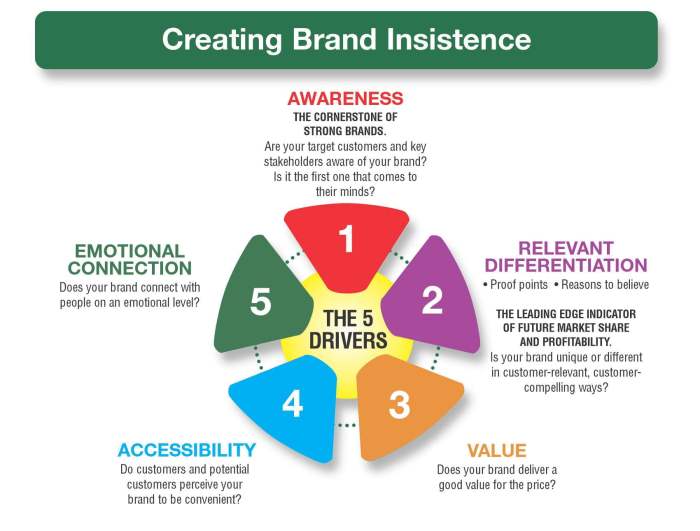
In today’s digital landscape, social media has evolved from a simple communication tool to a powerful engine for brand building. A strong online presence is no longer a luxury; it’s a necessity for businesses aiming to thrive. This exploration delves into the multifaceted strategies and techniques that enable companies to cultivate robust brand equity through strategic social media engagement.
We’ll examine how consistent messaging, compelling content, and insightful data analysis contribute to a positive brand perception and lasting market impact.
From understanding the core components of brand equity to mastering crisis management on social media, we will cover a comprehensive range of topics. We’ll analyze successful case studies, highlighting best practices and offering actionable advice for businesses of all sizes. This guide aims to empower you with the knowledge and tools to effectively leverage social media for sustainable brand growth.
Defining Brand Equity and its Social Media Relevance
Brand equity represents the overall value of a brand, encompassing consumer perception, loyalty, and the resulting impact on pricing and profitability. It’s essentially the intangible asset a company possesses due to its brand’s reputation and customer relationships. In today’s digital landscape, social media plays a pivotal role in shaping and strengthening this equity.Brand equity is built on several key components.
These include brand awareness (how familiar consumers are with the brand), perceived quality (consumer assessment of the brand’s offerings), brand associations (the mental connections consumers make with the brand, including its personality and values), and brand loyalty (the degree to which consumers repeatedly choose the brand). A strong brand possesses a favorable and unique position in the minds of its target audience.
Social Media’s Contribution to Brand Equity
Social media platforms provide unparalleled opportunities to cultivate and enhance brand equity. They offer direct channels for engagement with consumers, enabling brands to actively shape perceptions and build relationships. This includes creating engaging content, responding to customer feedback (both positive and negative), and fostering a sense of community around the brand. Moreover, social media facilitates real-time monitoring of brand sentiment and allows for swift responses to address any issues that may arise, minimizing potential damage to brand reputation.
The interactive nature of social media allows for personalized experiences, strengthening customer connections and increasing loyalty.
Examples of Brands with Strong Social Media-Driven Equity
Many brands have successfully leveraged social media to build considerable equity. Nike, for example, consistently uses compelling visuals and inspirational stories to connect with its audience, fostering a strong sense of community among athletes and fitness enthusiasts. Their use of influencer marketing further amplifies their message and reach. Similarly, Dove’s “Real Beauty” campaign, initially launched through traditional media, gained significant traction and resonance on social media, solidifying its brand image as one that champions inclusivity and self-acceptance.
These campaigns resulted in increased brand awareness, positive brand associations, and ultimately, stronger brand loyalty.
Comparison of Traditional and Social Media Branding Methods
| Feature | Traditional Branding | Social Media-Driven Branding |
|---|---|---|
| Reach | Broad, but less targeted | Highly targeted, customizable |
| Engagement | Limited, one-way communication | High, two-way communication, fosters community |
| Cost | Generally higher (TV, print ads) | Potentially lower, depending on strategy |
| Measurability | Difficult to precisely measure ROI | Highly measurable through analytics |
Measuring and Managing Brand Equity on Social Media
Building strong brand equity on social media isn’t just about posting engaging content; it requires meticulous tracking, analysis, and responsive management. Understanding how your brand is perceived and reacting effectively to online conversations are crucial for sustained growth and positive brand reputation. This section Artikels key strategies for measuring and managing your brand equity within the dynamic social media landscape.
Key Performance Indicators (KPIs) for Tracking Brand Equity Growth
Monitoring the right metrics is fundamental to understanding your brand’s progress. These KPIs provide quantifiable insights into various aspects of brand equity, allowing for data-driven decision-making and strategic adjustments. Focusing on a combination of these metrics offers a holistic view of brand health.
- Brand Mentions: The total number of times your brand is mentioned across social media platforms. This provides a baseline understanding of brand awareness and reach.
- Sentiment Analysis: The proportion of positive, negative, and neutral mentions. This reveals the overall public perception of your brand and highlights areas needing attention.
- Engagement Rate: The ratio of interactions (likes, comments, shares) to the total number of impressions. A higher engagement rate signifies a more connected and involved audience.
- Reach and Impressions: The number of unique users exposed to your brand’s content and the total number of times your content was displayed. This demonstrates the breadth of your social media influence.
- Website Traffic from Social Media: The number of users who visit your website after clicking links shared on social media. This measures the effectiveness of social media in driving conversions.
- Net Promoter Score (NPS): A measure of customer loyalty and willingness to recommend your brand. While not strictly a social media metric, monitoring NPS through social listening can provide valuable insights.
Analyzing Social Media Data to Understand Brand Perception
Analyzing social media data goes beyond simply counting numbers. It involves a deeper dive into the context of conversations, understanding the nuances of language, and identifying emerging trends related to your brand.Effective analysis utilizes a combination of qualitative and quantitative methods. Quantitative analysis involves examining numerical data such as engagement rates and sentiment scores. Qualitative analysis involves examining the text of social media posts, comments, and reviews to identify themes, opinions, and emotions.
Tools such as sentiment analysis software can automate much of this process, but human review remains crucial for context and nuance. For example, a sudden spike in negative sentiment around a specific product feature might highlight a design flaw or a need for improved customer service.
Responding to Positive and Negative Feedback Online
A comprehensive social media strategy includes a robust plan for managing online feedback. Prompt and appropriate responses are vital for building trust and fostering positive relationships with your audience.
- Responding to Positive Feedback: Acknowledge and thank users for their positive comments and reviews. Publicly recognizing positive feedback reinforces positive brand perception and encourages further engagement.
- Responding to Negative Feedback: Address negative feedback promptly and professionally. Empathize with the user’s concerns, offer sincere apologies if appropriate, and take steps to resolve the issue. Publicly addressing negative feedback demonstrates transparency and accountability.
- Escalation Procedures: Establish clear procedures for handling escalated complaints or crises. Having a designated team responsible for addressing negative feedback ensures consistent and effective responses.
Tools and Techniques for Social Listening and Brand Monitoring
Several tools are available to facilitate social listening and brand monitoring. These tools allow for efficient tracking of brand mentions, sentiment analysis, and competitor activity.
- Brand24: A social listening tool that monitors mentions across various platforms and provides real-time alerts.
- Hootsuite Insights: A social media analytics platform offering comprehensive data analysis and reporting capabilities.
- Mention: A social listening tool that helps track brand mentions and analyze sentiment.
- Google Alerts: A free service that sends email notifications when your brand is mentioned online.
These tools, combined with careful manual monitoring, allow for a comprehensive understanding of your brand’s online presence and reputation. Regular analysis of this data is crucial for making informed decisions to improve brand equity and maintain a positive online image.
Case Studies
This section examines the social media strategies of two prominent brands, Nike and Dove, showcasing how they leveraged these platforms to build and maintain strong brand equity. By contrasting their approaches, we can identify key elements of successful social media marketing and the impact on overall brand perception.
Nike and Dove, while operating in different industries, both demonstrate mastery of social media for brand building. Nike focuses on aspirational content, fostering a sense of community and athletic achievement. Dove, conversely, emphasizes inclusivity and self-acceptance, connecting with its audience on a deeper emotional level. Both brands, however, share a commitment to consistent messaging, audience engagement, and data-driven decision-making.
Nike’s Social Media Strategy
Nike’s social media presence is characterized by high-quality visual content, featuring professional athletes and inspiring user-generated content. They effectively use storytelling to connect with their audience on an emotional level, emphasizing themes of perseverance, achievement, and self-improvement. Their campaigns often feature diverse athletes and promote inclusivity, broadening their appeal and strengthening brand affinity.
Dove’s Social Media Strategy
Dove’s social media strategy centers on promoting body positivity and self-acceptance. They consistently share empowering messages and images featuring real women of diverse ages, shapes, and ethnicities. This approach resonates deeply with their target audience, fostering a sense of community and building brand loyalty based on shared values. Their campaigns often encourage open conversations and address important social issues, further solidifying their position as a brand that cares.
Key Elements of Successful Social Media Strategies: Nike and Dove
The following points highlight the crucial elements contributing to the success of both Nike and Dove’s social media strategies:
- Consistent Brand Messaging: Both brands maintain a cohesive brand voice and visual identity across all their social media platforms.
- Engaging Content: They consistently create high-quality, relevant, and shareable content that resonates with their target audience.
- Community Building: Both brands actively engage with their followers, fostering a sense of community and belonging.
- Data-Driven Approach: They use analytics to track their performance, understand their audience, and optimize their strategies.
- Authenticity and Transparency: Both brands strive to be authentic and transparent in their communication, building trust with their audience.
- Strategic Partnerships: Collaborations with influencers and other brands extend reach and amplify messaging.
- Diverse Representation: Both brands actively showcase diversity in their campaigns, broadening their appeal and fostering inclusivity.
Impact on Brand Perception and Market Value
Nike’s consistent brand messaging and aspirational content have solidified its position as a leading sportswear brand, commanding a significant market share and high brand valuation. Their social media efforts contribute to a positive brand perception, associating the brand with athletic achievement, innovation, and community. Similarly, Dove’s focus on inclusivity and self-acceptance has strengthened its brand image, leading to increased consumer loyalty and positive brand sentiment.
Their social media campaigns have played a crucial role in shaping public discourse on body image and fostering a more inclusive beauty standard. The positive brand perception translates directly into increased sales and a higher market valuation.
Brand Equity, Brand Strategy, and Brand Management
Building a successful brand isn’t a haphazard process; it requires a carefully orchestrated interplay between brand equity, brand strategy, and brand management. These three elements are inextricably linked, each contributing to and depending on the others to achieve sustainable brand growth and market dominance. A strong brand doesn’t just happen; it’s meticulously planned and consistently executed.Brand equity, brand strategy, and brand management form a synergistic relationship.
Brand equity represents the overall value of a brand, encompassing consumer perception, brand loyalty, and market recognition. Brand strategy Artikels the roadmap to build this equity, defining the target audience, brand positioning, and key messaging. Brand management, then, is the execution of this strategy, encompassing all activities that maintain and enhance the brand’s value over time. Without a well-defined strategy, brand equity remains elusive.
Without effective management, even the strongest strategy falters.
The Contribution of a Strong Brand Strategy to Building Brand Equity
A robust brand strategy is the cornerstone of building strong brand equity. It provides a clear framework for all brand-related activities, ensuring consistency and coherence in messaging and customer experience. A well-defined target audience allows for focused marketing efforts, maximizing impact and minimizing wasted resources. A compelling brand positioning differentiates the brand from competitors, creating a unique identity that resonates with consumers.
Clear brand messaging ensures consistent communication across all platforms, reinforcing brand values and building brand recognition. For example, Nike’s consistent messaging of “Just Do It” empowers athletes and inspires a sense of achievement, directly contributing to their significant brand equity.
Effective Brand Management Practices Enhancing Social Media Impact
Effective brand management practices are crucial for leveraging social media’s potential to build brand equity. This involves consistent monitoring of social media channels to understand customer sentiment and respond promptly to queries or concerns. Active engagement with followers through meaningful interactions, such as responding to comments and participating in relevant conversations, fosters a sense of community and loyalty.
Creating high-quality, engaging content that aligns with the brand’s values and resonates with the target audience is paramount. Consider Dove’s “Real Beauty” campaign, which leveraged social media to engage in authentic conversations about body image, building significant brand loyalty and positive brand equity.
Integrating Social Media into a Comprehensive Brand Management Plan: A Step-by-Step Guide
A well-defined plan is essential for successful social media integration.
- Define Social Media Objectives: Clearly Artikel what you hope to achieve through social media. Are you aiming to increase brand awareness, drive sales, or improve customer service?
- Identify Target Audience: Understand your target audience’s social media habits and preferences to tailor your content accordingly. This includes identifying the platforms they use most frequently.
- Develop a Content Strategy: Create a content calendar that Artikels the type of content you will post, when you will post it, and how often. Ensure content aligns with your overall brand strategy.
- Choose the Right Platforms: Select the social media platforms that are most relevant to your target audience and brand objectives.
- Monitor and Analyze: Track key metrics such as engagement, reach, and website traffic to measure the effectiveness of your social media efforts. Use this data to refine your strategy over time.
- Engage with Your Audience: Respond promptly to comments, messages, and mentions. Foster a sense of community and build relationships with your followers.
Visual Storytelling and Brand Equity
In the crowded digital landscape, visual storytelling is paramount for building strong brand equity on social media. It transcends mere advertising; it fosters emotional connections, builds trust, and ultimately drives brand loyalty. By crafting compelling visual narratives, brands can effectively communicate their values, personality, and unique selling proposition, leaving a lasting impression on their target audience. This translates directly into increased brand awareness, positive perception, and ultimately, higher brand equity.Visual storytelling leverages the power of imagery and video to convey a message more effectively than text alone.
The human brain processes visual information significantly faster than text, making visually-driven content more engaging and memorable. This immediate impact is crucial in capturing attention in the short-lived attention spans prevalent on social media.
Effective Visual Communication of Brand Values
Imagine a photograph: A lone figure, silhouetted against a vibrant sunset, stands atop a windswept hill, gazing out at a vast, expansive landscape. The figure is small, emphasizing the scale of nature’s grandeur, yet their posture is one of determination and quiet strength. The colors are warm and inviting, with the oranges and reds of the sunset contrasting against the cool blues and purples of the approaching twilight.
The overall feeling is one of hope, resilience, and the pursuit of something larger than oneself. This image, without any text, effectively communicates values of ambition, perseverance, and a connection to the natural world – all without relying on explicit statements. It invites the viewer to interpret the scene and connect it with their own experiences and emotions, creating a deeper, more resonant brand association.
Visual Consistency Across Platforms
Maintaining visual consistency across all social media platforms is crucial for strengthening brand recognition. A consistent visual identity, encompassing logo usage, color palettes, fonts, and image style, creates a cohesive brand experience. This consistent visual language helps consumers quickly identify and associate the brand with specific imagery and emotions, reinforcing brand recall and fostering a sense of familiarity and trust.
Inconsistent branding, on the other hand, can dilute brand identity and confuse consumers.
Successful Brands Utilizing Visual Storytelling
Many brands effectively leverage visual storytelling. For example, GoPro consistently uses user-generated content showcasing adventurous activities, connecting their brand with a sense of excitement and exploration. Similarly, National Geographic uses stunning photography and videography to communicate their dedication to environmental conservation and exploration, evoking feelings of wonder and inspiring action. These brands understand that visual storytelling isn’t just about showcasing products; it’s about creating an emotional connection with their audience that transcends the transactional aspects of marketing.
The Role of Influencer Marketing in Brand Equity Building
Influencer marketing has emerged as a powerful tool for building brand equity in the digital age. By leveraging the trust and credibility of influential individuals, brands can reach wider audiences and foster deeper connections, ultimately enhancing their overall market standing. This approach, however, necessitates a careful consideration of ethical implications and a strategic selection process to ensure its effectiveness.Influencer marketing’s impact on brand equity stems from its ability to bypass traditional advertising skepticism.
Consumers often view recommendations from trusted sources more favorably than direct brand messaging. This heightened trust translates into increased brand awareness, positive perception, and ultimately, stronger brand equity.
Ethical Considerations in Influencer Marketing
Ethical considerations are paramount in influencer marketing. Transparency is key; audiences need to understand when content is sponsored. Authenticity is equally crucial; influencers should genuinely align with the brand’s values and products to avoid appearing disingenuous. Failing to disclose sponsored content can lead to legal repercussions and severely damage brand reputation, negating any positive effects on brand equity.
Furthermore, influencers should not promote products or services they do not personally believe in or use, maintaining their credibility and ethical standing. The use of misleading or deceptive practices, such as fake followers or engagement, also undermines the ethical foundations of influencer marketing and ultimately harms brand equity.
Selecting Appropriate Influencers
Choosing the right influencers is critical for a successful campaign. Brands should consider several factors, including the influencer’s audience demographics, engagement rate, alignment with brand values, and overall reach. A detailed analysis of the influencer’s past collaborations and audience feedback is essential. Focusing solely on follower count can be misleading; a high follower count doesn’t always translate into genuine engagement or brand loyalty.
Instead, brands should prioritize influencers with high levels of audience interaction and a proven track record of successful campaigns. The influencer’s content style and tone should also be consistent with the brand’s image and messaging to ensure a seamless and cohesive brand experience.
Designing a Trust-Building Influencer Marketing Campaign
A successful campaign prioritizes building trust. This involves transparency in sponsored content disclosure, using influencers who genuinely align with the brand’s values, and focusing on authentic storytelling. The campaign should avoid overly promotional or sales-focused content. Instead, it should emphasize the value proposition of the product or service in a natural and engaging way. User-generated content (UGC) from influencers can be particularly effective in fostering trust, as it appears less contrived than directly branded content.
Encouraging influencers to share their personal experiences with the product or service, along with their honest feedback, helps to build credibility and strengthen consumer trust. Contests and giveaways, executed ethically, can also increase audience engagement and amplify brand reach.
Examples of Successful Influencer Marketing Campaigns
Several successful campaigns illustrate the power of influencer marketing in building brand equity. For example, Glossier’s early success heavily relied on user-generated content and partnerships with micro-influencers, fostering a strong sense of community and authenticity around the brand. This approach built trust and resonated deeply with their target demographic, significantly boosting brand equity. Similarly, Daniel Wellington’s strategic use of influencers across various platforms resulted in widespread brand awareness and a loyal customer base.
Their campaigns often focused on lifestyle imagery, aligning with the aspirational yet attainable nature of their products. These examples demonstrate that thoughtful influencer selection, authentic content creation, and a focus on building genuine connections can lead to significant improvements in brand equity.
Crisis Management and Brand Equity on Social Media
A strong online presence is crucial for modern brands, but this also means increased vulnerability to negative publicity and crises. Social media’s speed and reach amplify both positive and negative feedback, making effective crisis management a critical component of maintaining brand equity. A well-executed plan can mitigate damage, retain customer trust, and even strengthen a brand’s reputation in the long run.
Conversely, a poorly handled crisis can irrevocably harm a brand’s image and value.A proactive approach to crisis management involves anticipating potential issues and developing a detailed response plan. This includes identifying potential crisis points, assigning roles and responsibilities within the organization, and establishing clear communication channels. The plan should also Artikel specific steps to take during a crisis, emphasizing transparency, empathy, and swift action.
This preventative approach is far more effective than reacting in a panicked or disorganized manner when a crisis hits.
Defining a Social Media Crisis Response Plan
A comprehensive social media crisis response plan should include several key elements. First, it should clearly define what constitutes a crisis for the brand. This might involve significant negative media coverage, a product recall, a public relations disaster, or a damaging social media campaign. Second, the plan needs to identify key personnel responsible for monitoring social media channels, responding to comments, and coordinating internal communications.
Third, it should Artikel a step-by-step process for handling various types of crises, ensuring a consistent and measured response. Finally, it should include a post-crisis review process to evaluate the effectiveness of the response and identify areas for improvement. Regularly testing and updating the plan is crucial to ensure its continued relevance.
Protecting Brand Equity Through Effective Crisis Management
Effective crisis management is essential for protecting brand equity because it demonstrates a brand’s commitment to its customers and its values. A swift and transparent response to negative feedback shows that the brand cares about its reputation and is willing to take responsibility for its actions. This builds trust and loyalty, mitigating the potential damage to the brand’s image and preventing further negative publicity.
Conversely, ignoring negative feedback or responding slowly and ineffectively can lead to a loss of trust, damage to reputation, and ultimately, a decline in brand equity. The goal is to turn a negative situation into an opportunity to demonstrate responsibility and strengthen the relationship with the customer base.
Examples of Successful Crisis Management on Social Media
Several brands have successfully navigated social media crises by demonstrating empathy, transparency, and a willingness to address concerns directly. For example, JetBlue’s response to a major snowstorm that stranded passengers in 2007 demonstrated their commitment to customer care through proactive communication and transparent updates. They addressed passenger concerns directly, offered apologies and compensation, and ultimately emerged from the crisis with increased customer loyalty.
Similarly, Tylenol’s response to the 1982 tampering crisis, although pre-social media, established a gold standard for crisis management through immediate product recall and proactive communication, ultimately preserving brand trust. These examples highlight the importance of a well-defined plan and a commitment to open communication.
Steps to Take During a Social Media Crisis
| Step | Action | Responsible Party | Timeline |
|---|---|---|---|
| 1. Detect and Monitor | Utilize social listening tools to identify and track negative mentions of the brand. | Social Media Manager, PR Team | Real-time |
| 2. Assess the Situation | Evaluate the severity and potential impact of the crisis. | Crisis Management Team | Within 1 hour |
| 3. Develop a Response Strategy | Craft a message acknowledging the issue, expressing empathy, and outlining the steps being taken to address it. | PR Team, Legal Counsel | Within 2 hours |
| 4. Communicate Proactively | Share the response strategy across all relevant social media channels and other communication platforms. | Social Media Manager, PR Team | Immediately after strategy development |
Building strong brand equity through social media requires a strategic, multifaceted approach. It’s a continuous process of engaging with your audience, understanding their needs, and consistently delivering value. By implementing the strategies and insights discussed, businesses can cultivate a loyal following, enhance their brand reputation, and ultimately achieve significant market success. Remember, consistent effort, authentic engagement, and a keen understanding of your target audience are key to long-term brand equity growth on social media.
Question Bank
What are some common mistakes businesses make on social media that harm brand equity?
Inconsistent branding, ignoring negative feedback, neglecting community engagement, and posting irrelevant content are common pitfalls.
How can I measure the ROI of my social media efforts on brand equity?
Track key metrics like brand mentions, sentiment analysis, website traffic from social media, and sales conversions attributed to social campaigns.
How often should I post on social media to maintain brand presence?
Frequency depends on your platform and audience, but consistency is crucial. Research best practices for each platform you use.
What is the role of customer service on social media in building brand equity?
Prompt, helpful, and empathetic customer service on social media builds trust and loyalty, directly impacting brand equity.