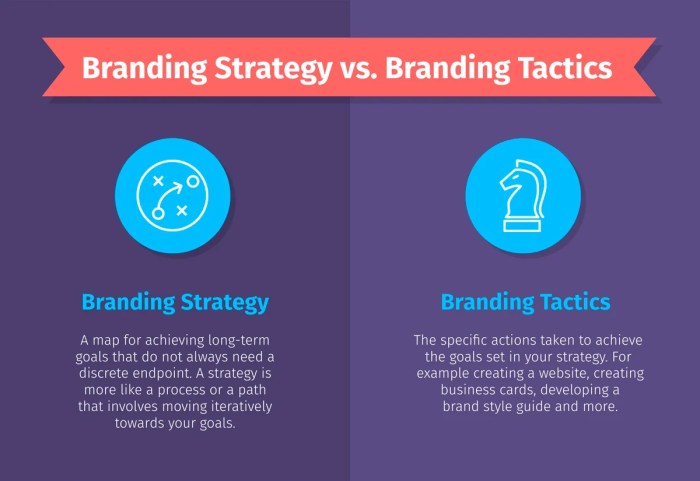
Navigating the dynamic landscape of 2024 requires a robust brand strategy. This exploration delves into successful examples, highlighting key components, emerging trends, and practical applications for building and maintaining brand equity. We’ll examine how evolving consumer behavior necessitates adaptable strategies and explore the crucial role of consistent messaging in achieving business objectives.
From analyzing successful pivots to understanding the synergistic relationship between brand strategy, equity, and management, this overview provides a comprehensive understanding of what it takes to thrive in today’s competitive market. We’ll look at specific examples of companies successfully integrating these elements, demonstrating the tangible results of a well-defined and executed brand strategy.
Defining Brand Strategy for 2024
Crafting a robust brand strategy for 2024 requires a nuanced understanding of the current market dynamics and evolving consumer expectations. Success hinges on a clear articulation of brand identity, a well-defined target audience, and a cohesive approach across all touchpoints. Ignoring these factors can lead to a disconnect with consumers and ultimately, hinder growth.
Core Components of a Successful Brand Strategy
A successful brand strategy in today’s market necessitates a multifaceted approach. It’s not simply about creating a logo and a tagline; it’s about building a comprehensive narrative that resonates with the target audience on an emotional level. Key components include a clearly defined brand purpose, a unique value proposition that sets the brand apart from competitors, and a consistent brand voice and visual identity across all platforms.
Furthermore, a strong brand strategy incorporates a detailed understanding of the competitive landscape, allowing for proactive adaptation and innovation. Finally, a robust strategy includes a plan for measuring success and making data-driven adjustments along the way.
Evolving Consumer Behavior’s Influence on Brand Strategy
Consumer behavior is in constant flux, driven by technological advancements, socio-economic shifts, and evolving cultural norms. For example, the rise of social media has empowered consumers with unprecedented access to information and fostered a demand for transparency and authenticity. Consumers are increasingly seeking brands that align with their values and demonstrate a commitment to social responsibility. This shift necessitates a more personalized and engaging approach to brand building, moving beyond traditional advertising models to focus on building genuine relationships with consumers through interactive content and personalized experiences.
Brands must adapt to these changes by embracing agile strategies that allow for quick responses to emerging trends and consumer feedback.
Brand Adaptation Strategies for 2024
Many brands are actively adapting their strategies to meet the challenges and opportunities of 2024. For instance, Nike’s continued focus on personalized fitness experiences through its app and wearable technology reflects the growing emphasis on health and wellness. Similarly, companies like Patagonia are capitalizing on the increasing consumer demand for sustainable and ethically sourced products by highlighting their commitment to environmental responsibility in their marketing campaigns.
Another example is the rise of direct-to-consumer (DTC) brands, which are bypassing traditional retail channels to build closer relationships with their customers and gain greater control over their brand narrative. These examples demonstrate the importance of adapting to evolving consumer preferences and technological advancements.
Key Performance Indicators (KPIs) for Brand Strategy Effectiveness
Measuring the success of a brand strategy requires a set of carefully selected KPIs. These metrics should align with the overall brand objectives and provide insights into the effectiveness of different initiatives. Common KPIs include brand awareness (measured through surveys and social media analytics), customer satisfaction (measured through customer feedback surveys and Net Promoter Score), website traffic and engagement, social media engagement (likes, shares, comments), and ultimately, sales and revenue growth.
By tracking these KPIs, brands can identify areas for improvement and optimize their strategies to achieve their desired outcomes. Regular analysis of these metrics allows for data-driven decision-making and continuous improvement of the brand strategy.
Successful Brand Strategy Examples (2024)

This section will examine several successful brand strategies implemented in 2024, highlighting diverse approaches and demonstrating their impact. We’ll explore examples of companies that effectively reached their target audiences, leading to measurable results. Furthermore, we will analyze a brand that successfully pivoted its strategy and the reasons behind this significant change. Finally, we will identify emerging trends influencing brand strategy and showcase brands effectively utilizing these trends.
Examples of Effective Brand Strategies in 2024
The following table showcases three companies with diverse and effective brand strategies in 2024. Each company’s approach is unique, tailored to its specific target audience and market position. Success is measured by a combination of factors including increased brand awareness, market share growth, and improved customer loyalty.
| Company Name | Strategy Highlights | Target Audience | Results |
|---|---|---|---|
| Patagonia | Continued focus on environmental sustainability and ethical sourcing; increased investment in repairing and recycling initiatives; strong emphasis on storytelling and authenticity. | Environmentally conscious consumers; outdoor enthusiasts; individuals seeking durable, high-quality products. | Maintained strong brand loyalty; increased sales despite economic headwinds; strengthened reputation as a leader in sustainable business practices. |
| Duolingo | Expansion of language learning options beyond mobile apps; incorporation of gamification and interactive elements to enhance engagement; focus on personalized learning experiences. | Individuals seeking to learn new languages; students; professionals looking to improve language skills. | Significant increase in user base; higher user engagement and retention rates; expansion into new markets. |
| Netflix | Increased investment in diverse content; focus on interactive storytelling and personalized recommendations; exploration of new revenue streams through gaming and interactive experiences. | Broad audience ranging from families to young adults; individuals seeking diverse entertainment options; consumers comfortable with subscription-based services. | Maintained a large subscriber base; increased engagement with original content; demonstrated adaptability to evolving consumer preferences. |
A Successful Brand Pivot in 2024: Example and Analysis
Several brands successfully adjusted their strategies in 2024. One notable example is Peloton. Facing declining sales and increased competition, Peloton shifted its focus from solely hardware sales to a broader digital fitness platform. This involved expanding its app offerings, incorporating more diverse workout styles, and building a stronger community among its users. The pivot was driven by the need to adapt to changing consumer preferences and a more competitive market landscape.
The impact of this strategy change included increased app subscriptions and a more diversified revenue stream, demonstrating the company’s ability to innovate and adapt to market changes.
Emerging Trends Impacting Brand Strategy in 2024
Several key trends significantly impacted brand strategies in 2024. These trends require brands to adapt and innovate to maintain relevance and competitiveness.
Three such trends are:
- Increased focus on personalization: Brands are leveraging data and AI to deliver highly personalized experiences to customers. This includes targeted advertising, customized product recommendations, and personalized content. Examples include Spotify’s personalized playlists and Amazon’s product recommendations.
- The rise of creator marketing: Brands are increasingly partnering with influencers and creators to reach their target audiences. This approach offers greater authenticity and trust compared to traditional advertising. Examples include brands collaborating with TikTok and Instagram influencers.
- Emphasis on purpose-driven branding: Consumers are increasingly drawn to brands that align with their values. Brands are emphasizing their commitment to social and environmental causes to build stronger relationships with their customers. Examples include Patagonia’s commitment to environmental sustainability and Dove’s focus on body positivity.
Brand Equity
Building and maintaining strong brand equity is paramount for long-term success in today’s competitive marketplace. A brand with high equity enjoys greater customer loyalty, premium pricing power, and increased resistance to competitive pressures. Understanding the factors that contribute to this value, and the relationship between brand strategy and its cultivation, is crucial for any business aiming for sustainable growth.Brand equity is the overall value of a brand, encompassing its reputation, customer perception, and market position.
It’s not just about a logo or tagline; it’s a holistic representation of the brand’s promise and its ability to deliver on that promise consistently. A strong brand strategy directly informs and influences brand equity. A well-defined strategy provides a roadmap for building and maintaining a positive brand image, ensuring consistent messaging and customer experiences. This consistency is key to fostering trust and loyalty, which are foundational elements of strong brand equity.
Factors Contributing to Strong Brand Equity
Several key factors contribute to the development and maintenance of strong brand equity. These include brand awareness (the extent to which consumers recognize and recall the brand), perceived quality (the customer’s assessment of the brand’s offerings), brand associations (the mental links consumers make between the brand and specific attributes, benefits, or experiences), brand loyalty (the degree to which customers repeatedly purchase the brand’s products or services), and other proprietary brand assets (such as patents, trademarks, or unique brand elements).
Each of these factors plays a crucial role in shaping the overall value of a brand. For example, a brand with high awareness and strong positive associations will generally command a higher price and enjoy greater customer loyalty than a brand with low awareness and negative associations.
Relationship Between Brand Strategy and Brand Equity
Brand strategy acts as the blueprint for building brand equity. A well-defined brand strategy clarifies the target audience, the brand’s unique value proposition, and the desired brand personality. It Artikels the marketing and communication plans needed to convey the brand’s message consistently across all touchpoints. This consistency in messaging and experience is crucial for building trust and loyalty, both of which are essential components of strong brand equity.
For example, a brand strategy that emphasizes sustainability might include initiatives like using eco-friendly packaging and supporting environmental causes. These actions contribute to building a positive brand image and enhancing brand equity. Conversely, a poorly defined or inconsistently executed brand strategy can damage brand equity and lead to decreased customer loyalty and market share.
Hypothetical Brand Equity Building Plan for a New Product Launch
Let’s consider a hypothetical launch of a new line of organic, sustainably-sourced coffee called “Evergreen.” Our brand equity building plan would involve:
- Phase 1: Brand Awareness and Positioning (Months 1-3): Focus on building brand awareness through targeted social media campaigns, influencer marketing, and public relations efforts emphasizing the organic and sustainable aspects of the coffee. Develop a strong brand identity, including a logo, color palette, and brand voice that reflect the brand’s values.
- Phase 2: Building Positive Brand Associations (Months 4-6): Highlight the superior quality and taste of the coffee through product sampling, partnerships with coffee shops, and online reviews. Focus on storytelling to connect with consumers emotionally and create a positive brand experience.
- Phase 3: Fostering Brand Loyalty (Months 7-12): Implement a loyalty program, offer exclusive content to subscribers, and actively engage with customers on social media to build a strong community around the brand. Continue to reinforce the brand’s commitment to sustainability through transparent sourcing practices and charitable partnerships.
Comparison of Brand Equity: Two Competing Brands
Consider Coca-Cola and Pepsi, two major players in the soft drink industry. Both brands possess significant brand equity, but their equity is built on different foundations. Coca-Cola, with its longer history and global presence, benefits from unparalleled brand recognition and strong nostalgic associations. Pepsi, on the other hand, has often positioned itself as a more youthful and contemporary brand, leveraging celebrity endorsements and innovative marketing campaigns to build its equity.
While both brands have strong brand loyalty, Coca-Cola’s equity arguably benefits from a more established and universally positive brand image. This difference reflects the distinct brand strategies employed by each company over time.
Brand Management
Effective brand management is crucial for long-term success in today’s competitive marketplace. It’s not simply about creating a logo and a tagline; it’s about cultivating a consistent and compelling brand experience that resonates with your target audience and drives business growth. This involves a multifaceted approach encompassing strategic planning, consistent messaging, and proactive crisis management.Brand management is an ongoing process, requiring constant monitoring and adaptation to changing market conditions and consumer preferences.
Understanding the key stages and implementing best practices are essential for building a strong and resilient brand.
Key Stages in the Brand Management Process
The brand management process can be broken down into several key stages. These stages are iterative and often overlap, requiring continuous evaluation and adjustment. A typical framework might include: brand planning and strategy development, brand implementation (including design, messaging, and product development), brand monitoring and evaluation (tracking performance and gathering consumer feedback), and brand maintenance and evolution (adapting to market changes and refining the brand strategy).
Each stage requires careful planning and execution to ensure the brand remains relevant and effective.
Crisis Management within a Brand Strategy
A comprehensive brand strategy must incorporate a robust crisis management plan. Crises, whether stemming from product defects, negative publicity, or unforeseen events, can severely damage a brand’s reputation and erode consumer trust. A well-defined crisis management plan includes: identifying potential crisis scenarios, establishing clear communication protocols, designating a crisis management team, developing a rapid response strategy, and having a pre-approved communication plan ready for deployment.
For example, a company facing a product recall should have a pre-written press release, social media strategy, and customer service protocols in place to minimize damage. Speed and transparency are crucial; addressing the situation honestly and promptly is far more effective than trying to suppress or ignore negative news.
Best Practices for Effective Brand Management
Effective brand management requires a proactive and consistent approach. The following checklist Artikels best practices to consider:
- Clearly define your target audience and their needs.
- Develop a unique and compelling brand positioning statement.
- Create a consistent brand identity across all touchpoints.
- Monitor brand performance using key metrics (e.g., brand awareness, customer satisfaction).
- Regularly review and update your brand strategy to reflect market changes.
- Cultivate strong relationships with key stakeholders (e.g., customers, employees, partners).
- Proactively manage your brand’s online reputation.
- Invest in employee training to ensure brand consistency across all departments.
- Conduct regular brand audits to identify areas for improvement.
- Embrace data-driven decision-making to inform brand strategy and execution.
Consistent Messaging and Brand Management Success
Maintaining consistent messaging is paramount for building a strong and recognizable brand. Inconsistency can confuse consumers and dilute brand equity. Consider Dove’s long-standing campaign celebrating real beauty, which consistently portrays diverse women in authentic settings. This consistent messaging has helped build strong brand loyalty and trust. Conversely, inconsistent messaging can damage a brand’s reputation.
If a company promotes itself as environmentally friendly but is later caught engaging in unsustainable practices, the resulting inconsistency will likely damage consumer trust. Maintaining consistent messaging across all platforms—from advertising and website content to social media and customer service interactions—is crucial for building a cohesive and credible brand identity.
Integrating Brand Strategy, Brand Equity, and Brand Management
Brand strategy, brand equity, and brand management are not isolated components of a business; rather, they form a synergistic triad driving overall success. A robust brand strategy lays the foundation, brand equity represents the accumulated value, and brand management ensures consistent execution and growth. Understanding their interconnectedness is crucial for achieving long-term business objectives.The synergistic relationship between brand strategy, brand equity, and brand management can be understood as a continuous feedback loop.
Brand strategy defines the desired brand positioning and target audience, guiding the development of brand assets. Effective brand management then leverages these assets to build brand equity through consistent messaging, customer experience, and product quality. The resulting brand equity, in turn, informs and refines the brand strategy, creating a cycle of continuous improvement and growth. This iterative process allows for adaptation to changing market conditions and customer preferences.
A Step-by-Step Guide to Integrating Brand Strategy, Brand Equity, and Brand Management
Successful integration requires a structured approach. The following steps Artikel how these three elements work together to achieve business objectives:
- Define the Brand Strategy: This involves conducting thorough market research to identify target audiences, competitive landscapes, and unique value propositions. The resulting strategy should clearly articulate the brand’s mission, vision, values, and personality.
- Develop Brand Assets: Based on the brand strategy, develop key brand assets such as a logo, brand voice, visual identity guidelines, and brand messaging. These assets should consistently reflect the brand’s personality and values.
- Implement Brand Management Practices: Establish systems and processes to ensure consistent brand application across all touchpoints, including marketing materials, customer service interactions, and product design. This requires clear communication and collaboration across all departments.
- Monitor and Measure Brand Equity: Regularly track key brand equity metrics such as brand awareness, customer loyalty, and brand perception. This data provides valuable insights to inform adjustments to the brand strategy and management practices.
- Iterate and Adapt: The brand strategy, assets, and management practices should be continuously evaluated and adapted based on market trends, customer feedback, and performance data. This ensures the brand remains relevant and competitive.
Examples of Effective Integration
Several companies demonstrate the effective integration of brand strategy, brand equity, and brand management. Apple, for instance, has cultivated a strong brand strategy centered on innovation and design, resulting in high brand equity. Their meticulous brand management ensures consistent brand experience across all product lines and channels. Similarly, Nike’s focus on athletic performance and empowerment has built significant brand equity, carefully managed through consistent messaging and sponsorship strategies.
These examples highlight the importance of a holistic approach to brand building.
Challenges in Aligning Brand Strategy, Brand Equity, and Brand Management and Their Solutions
Achieving alignment can be challenging. Inconsistency in messaging across different channels, lack of clear brand guidelines, and insufficient investment in brand building are common issues. Solutions include establishing clear brand guidelines, fostering cross-functional collaboration, investing in employee training, and regularly auditing brand performance. Addressing these challenges ensures the brand remains cohesive and valuable.
Ultimately, a successful brand strategy in 2024 hinges on understanding consumer behavior, adapting to emerging trends, and consistently delivering on brand promises. By leveraging key performance indicators, building strong brand equity, and effectively managing crises, businesses can cultivate lasting relationships with their target audiences and achieve sustainable growth. The examples presented offer a roadmap for developing a winning strategy in this ever-evolving market.
Popular Questions
What are the biggest challenges in implementing a brand strategy in 2024?
Major challenges include adapting to rapidly changing consumer preferences driven by technology, maintaining consistent messaging across diverse platforms, and effectively managing brand reputation in the face of online scrutiny.
How can small businesses effectively implement a brand strategy on a limited budget?
Small businesses can leverage cost-effective digital marketing strategies, focus on building strong relationships with their customers through personalized communication, and prioritize consistent brand messaging across all touchpoints.
What role does social media play in modern brand strategy?
Social media is crucial for building brand awareness, engaging directly with consumers, monitoring brand reputation, and gathering valuable data for strategy refinement. A strong social media presence allows for agile responses to changing trends and customer feedback.


